When it comes to modern home upgrades, few changes make as much of an impact as new windows. Once chosen primarily for function, windows have now become a central part of architectural style, energy efficiency, and even home automation. As technology evolves and homeowners become more design-savvy, the world of window replacement has moved far beyond basic panes and predictable frames.
Today, window installation is not just a way to boost energy performance—it’s a chance to dramatically enhance the look and feel of your home, both inside and out. Whether you’re updating a traditional property or planning a contemporary build, the latest trends in double glazing and frame design are making it easier than ever to combine style with substance.
This article explores the most popular and emerging styles in window replacement, showcasing what’s new, what’s making a comeback, and what to consider when planning your next window installation.
Slimline Frames: Minimalism Meets Maximum Light
One of the most significant trends in modern window design is the move toward slimline frames. These ultra-thin profiles are designed to maximise the glass area and reduce the visual bulk of traditional window frames. Popular in aluminium and steel-look finishes, slimline frames are ideal for homeowners who want to flood their interiors with natural light while maintaining a sleek, contemporary look.
This minimalist aesthetic pairs especially well with open-plan living and floor-to-ceiling installations. Aluminium-framed windows with double or even triple glazing allow for larger, uninterrupted panes of glass without compromising on thermal performance or structural integrity.
Slimline windows are also a favourite in architectural extensions and modern builds, where they seamlessly complement other minimalist features like bifold or sliding doors.
Steel-Look Windows: Industrial Chic for Any Setting
The industrial aesthetic is back—and it’s not just for converted warehouses anymore. Steel-look windows, often made from aluminium for practicality and cost-efficiency, replicate the classic charm of traditional metal frames with a more modern twist.
These windows feature slim grids or internal glazing bars that create a distinctive panelled effect, often finished in matte black or anthracite grey. Steel-look windows are now appearing in everything from country cottages to suburban renovations, providing character without compromising energy efficiency.
Thanks to advances in double glazing technology, these traditionally cold and inefficient window styles can now offer excellent thermal performance while preserving their classic appearance.
Flush Casement Windows: The Traditional Look with Modern Benefits
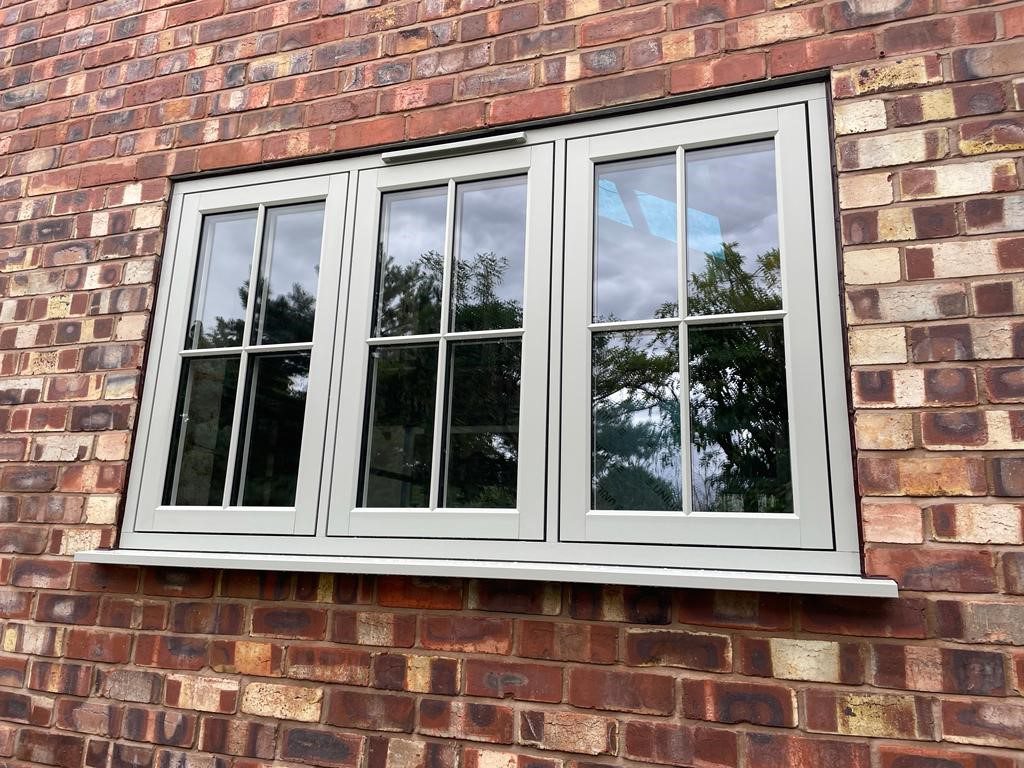
For homeowners seeking a timeless appearance, flush casement windows offer a beautiful balance between heritage and performance. Unlike standard casements, which often protrude from the frame, flush casement windows sit flat for a smooth, clean finish that replicates 19th-century joinery.
Perfect for period homes and properties in conservation areas, flush casements can now be manufactured in uPVC, timber, or composite materials, with double or triple glazed units that far outperform their historical counterparts. This makes them a popular choice for replacing old timber windows while staying true to the original look.
They also come in a wide range of colours and woodgrain finishes, allowing homeowners to blend tradition with personal style preferences.
Expansive Glazing: Walls of Glass and Picture Windows
As open-plan living continues to dominate home design, large-format picture windows are becoming increasingly desirable. These expansive glazing options act as natural focal points, blurring the boundary between indoors and outdoors while letting in maximum daylight.
Picture windows are often fixed (non-opening) and installed in key areas such as stairwells, living rooms, or kitchen diners to create visual drama. They’re frequently paired with double glazed units that feature UV protection and enhanced thermal coatings to avoid overheating or heat loss.
In combination with sliding or bifolding doors, expansive windows can help homeowners achieve the sought-after “glass box” aesthetic without compromising on insulation or security.
Coloured Frames: Moving Beyond White
Gone are the days when white uPVC was the only option for window installation. Today’s replacement windows come in an impressive range of colours, from soft greys and muted greens to bold blacks and rich woodgrain textures.
Anthracite grey remains one of the most requested colours in contemporary homes, providing a strong visual contrast that complements both light and dark façades. For more traditional properties, heritage greens, cream tones, and wood-effect foils are popular choices that offer character and authenticity.
Powder-coated aluminium frames, in particular, allow for a high-quality, fade-resistant finish that stays vibrant for years, with minimal maintenance.
Energy-Efficient Innovations: Style Meets Sustainability
While style is important, energy efficiency remains a key driver behind most window replacement decisions. Homeowners are increasingly seeking products that combine good looks with measurable performance—especially with rising energy costs and an increased focus on sustainability.
The latest double glazing technology now includes:
- Low-emissivity (Low-E) coatings that reflect heat back into the room
- Warm edge spacer bars to reduce thermal bridging
- Inert gas fills (like argon or krypton) for improved insulation
- Triple glazing for exceptional U-values and sound reduction
- Solar control coatings to prevent overheating in south-facing rooms
These enhancements make it possible to achieve both A+ energy ratings and cutting-edge aesthetics, giving homeowners the best of both worlds.
Smart Windows and Integrated Blinds
As smart technology enters more areas of the home, window installation is no exception. The newest trend in high-spec homes is the integration of smart blinds or integrated blinds within the double glazing units themselves.
These blinds are sealed between the panes of glass, making them dust-free, tamper-proof, and ideal for families with young children or allergy sufferers. Some models can be adjusted via remote control or linked to smart home systems, allowing for automated shading based on time of day, temperature, or light levels.
While still a premium feature, integrated blinds are growing in popularity and are especially sought after in kitchens, bathrooms, and sunrooms.
Customisation Is Key
One of the biggest takeaways from current window design trends is the increasing demand for customisation. Homeowners no longer want one-size-fits-all solutions. They want windows and doors that reflect their style, suit the architecture of their property, and contribute to the overall comfort and efficiency of their home.
This has led to a surge in demand for bespoke frame shapes, unusual opening configurations, and even mixed-material designs that incorporate both wood and metal. Installers and manufacturers have responded with more flexible, creative solutions—so it’s easier than ever to design the perfect window for your space.
Looking Ahead
The window replacement industry continues to evolve, driven by advances in glazing technology, architectural trends, and consumer demand for better-performing, more attractive products. As homeowners become more design-conscious and environmentally aware, we can expect to see even greater innovation in both function and form.
From energy-efficient double glazing to minimalist frames and heritage finishes, the latest styles in window installation harpenden reflect a market that’s as much about aesthetics as it is about performance. Whether you’re upgrading for visual appeal, better insulation, or both, there’s never been a better time to explore the possibilities.
Choosing the right style doesn’t just enhance your home’s appearance—it adds value, improves your living environment, and creates lasting benefits that go well beyond the glass.